


How Does Vision Change Over Time?
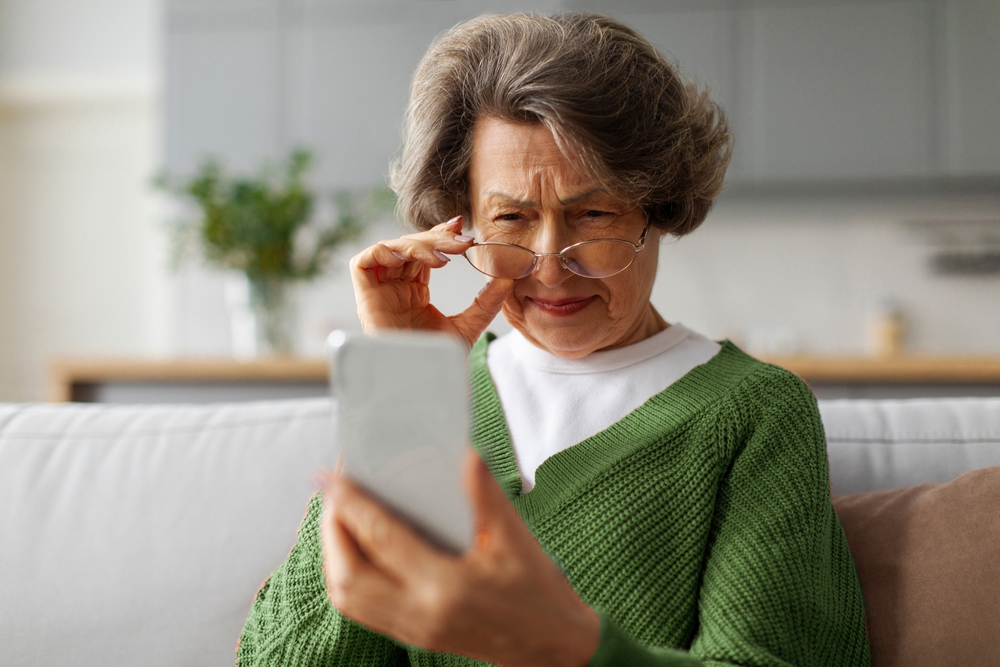
Our eyes change just like the rest of our bodies as we age. While some vision changes are a normal part of getting older, others may signal eye conditions that require professional care. Understanding what to expect at different stages of life can help you protect your eyesight and seek timely treatment when needed.
Difficulty Seeing Up Close (Presbyopia)
One of the most common age-related vision changes is presbyopia. Typically beginning in the early to mid-40s, presbyopia makes it harder to focus on close objects such as reading material or smartphone screens. Many people notice they need to hold items farther away or rely on reading glasses.
Changes in Night Vision
As we get older, the pupils respond more slowly to changes in light, making it harder to see in low-light conditions. Night driving may become more challenging due to glare from headlights or reduced contrast sensitivity.
Increased Sensitivity to Glare
Aging lenses become less clear and more prone to scattering light, which can cause increased glare from sunlight or artificial lighting. This may make outdoor activities or driving uncomfortable without proper eye protection.
Cataracts
Cataracts occur when the eye’s natural lens becomes cloudy, leading to blurry vision, faded colors, and increased glare. Cataracts are very common in seniors and often develop gradually over time.
Age-Related Macular Degeneration (AMD)
AMD affects the macula, the part of the retina responsible for central vision. It can make activities like reading, driving, and recognizing faces more difficult. Early detection is critical for preserving vision.
Glaucoma
Glaucoma is a group of eye diseases that damage the optic nerve, often without noticeable symptoms in the early stages. If left untreated, it can lead to permanent vision loss. Regular eye exams are essential for early diagnosis and management.
Dry Eye Syndrome
Tear production and quality can decline with age, leading to dry, irritated, or watery eyes. Seniors are particularly prone to dry eye, especially if they take certain medications or spend extended time on digital devices.
Diabetic Eye Disease
For individuals with diabetes, changes in blood sugar can affect the blood vessels in the retina, increasing the risk of vision loss. Ongoing eye care is a crucial part of diabetes management.
Why Regular Eye Exams Matter as You Age
Many age-related eye conditions develop slowly and may not cause noticeable symptoms right away. Comprehensive eye exams allow your optometrist to detect changes early, monitor eye health, and recommend treatments or lifestyle adjustments to protect your vision. At Design Vision Optical, we tailor eye exams to your specific needs, ensuring your vision and overall eye health are carefully evaluated at every visit.
Stay Ahead of Age-Related Vision Changes at Design Vision Optical
Vision changes are a natural part of aging, but losing quality eyesight doesn’t have to be. By understanding common age-related changes and eye conditions, and by staying consistent with routine eye exams, you can take meaningful steps toward preserving your vision for years to come.
If you are noticing changes in your vision, schedule a comprehensive eye exam at Design Vision Optical and receive personalized care to support your vision at every stage of life. Visit our office in Wauwatosa, Wisconsin, or call (414) 774-0200 to book an appointment today.


clinic Hours
- Monday10:00 am - 5:00 pm
- Tuesday10:00 am - 6:30 pm
- WednesdayBy appointment
- Thursday9:30 am - 5:30 pm
- Friday10:00 am - 5:00 pm
- Saturday10:00 am - 2:00 pm
- SundayClosed
Get in touch
© 2026 Design Vision Optical - All Rights Reserved - Accessibility Statement - Privacy Policy - Sitemap
Powered by: 