


Back-to-School Myopia Management: How Stellest Lenses Protect Your Child’s Vision in Wauwatosa
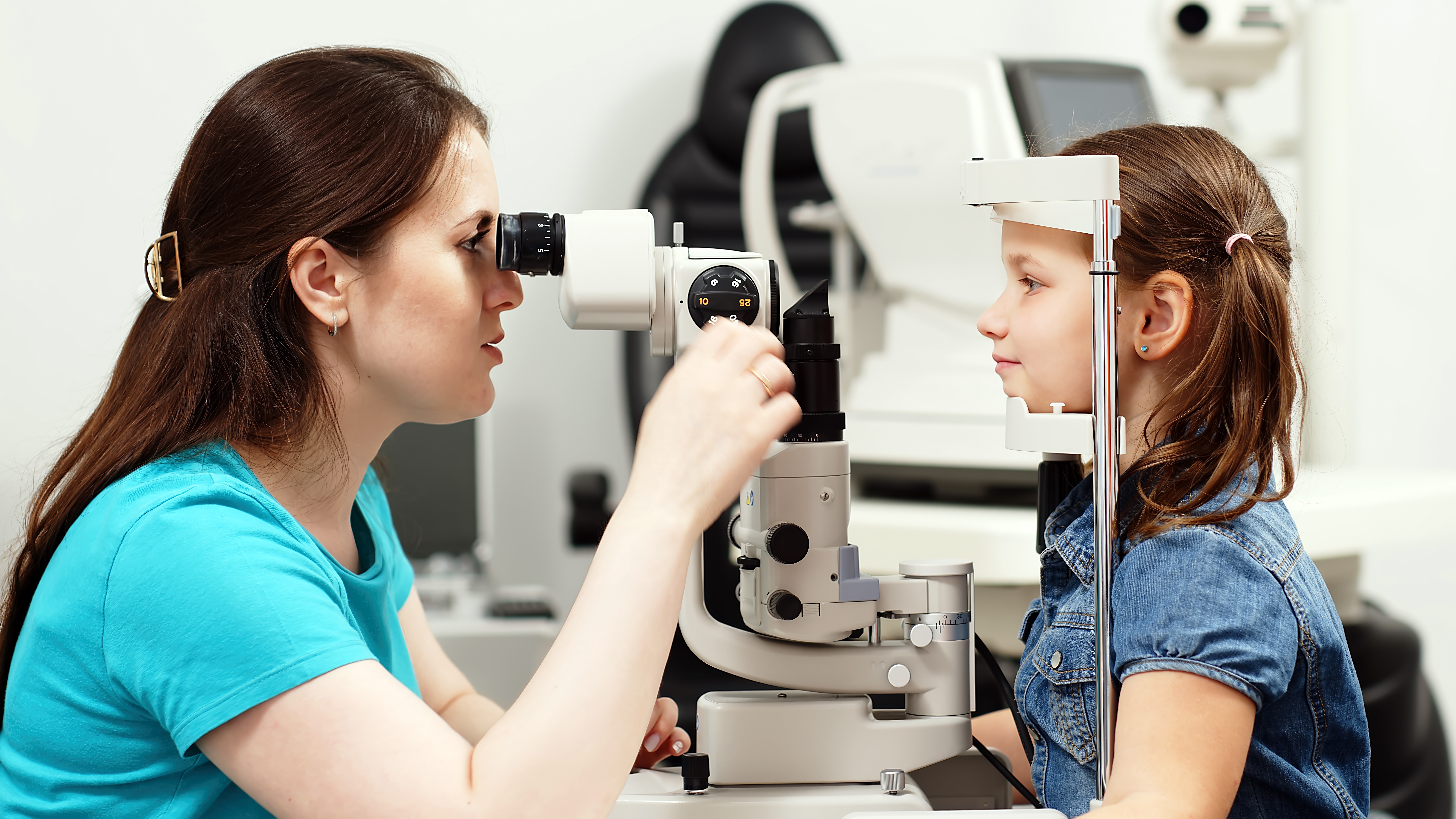
A stronger glasses prescription every school year can be a sign that your child’s myopia is progressing. Myopia, or nearsightedness, causes distant objects such as classroom boards and signs to appear blurry while close-up vision remains clearer. At Design Vision Optical in Wauwatosa, WI, we provide pediatric eye exams and myopia management, including Essilor Stellest lenses, to help families take a more proactive approach to childhood nearsightedness.
Why Myopia Often Changes During the School Years
Myopia commonly develops during childhood while the eyes are still growing. In many children, the condition progresses because the eye becomes longer from front to back. As that happens, stronger prescriptions may be needed to keep distance vision clear.
For Wauwatosa students, progressing myopia may become noticeable when they have trouble seeing the classroom board, squint at distant objects, or repeatedly need updated glasses. Regular pediatric eye exams allow us to compare prescription changes over time instead of waiting until blurry vision becomes disruptive.
Parents may notice signs such as:
Squinting to see distant objects
Complaining that the classroom board looks blurry
Sitting unusually close to screens
Holding books or tablets close to the face
Needing stronger glasses from year to year
Struggling to see clearly during sports or outdoor activities
These signs do not automatically mean myopia is progressing rapidly, but they are good reasons to schedule an eye exam.
Why Regular Glasses May Not Be Enough
Standard single-vision glasses correct blurry distance vision, but they are not designed to slow the underlying progression of childhood myopia. Myopia management has a different goal - reducing how quickly nearsightedness worsens while the eyes are still developing.
This matters because higher levels of myopia are associated with increased lifetime risks of retinal detachment, myopic maculopathy, glaucoma, and cataracts. Myopia management cannot guarantee that these conditions will never occur, but slowing progression can help reduce how severe a child’s myopia ultimately becomes.
How Stellest Lenses Are Different
Essilor Stellest lenses look and function much like regular eyeglasses, but they combine clear central vision with specialized lenslets designed to slow myopia progression.
The FDA authorized Stellest lenses in September 2025 for children with healthy eyes who are ages 6 through 12 when treatment begins and who meet specific prescription criteria. The lenses can correct myopia while also slowing its progression.
Stellest lenses use a clear central viewing area surrounded by specialized peripheral lenslets. This design creates a controlled optical signal intended to reduce excessive eye elongation while still allowing children to see clearly for school, reading, sports, and everyday activities.
What Does the Research Show?
In the two-year clinical study reviewed by the FDA, children wearing Stellest lenses experienced a 71 percent reduction in myopia progression based on prescription change compared with children wearing standard single-vision lenses. Eye elongation was reduced by 53 percent over the same period.
These results do not mean every child will experience the same amount of benefit. Consistent wear, age, prescription, rate of progression, and individual eye growth can all influence outcomes.
Why Back-to-School Is a Good Time to Start
The beginning of the school year is a practical time to evaluate your child’s vision because classroom demands make distance blur easier to notice. Starting with a pediatric eye exam also gives us an opportunity to establish updated measurements and determine whether standard glasses or myopia management is more appropriate.
Stellest lenses can be particularly appealing for children who need myopia control but are not ready for contact lenses. Design Vision Optical offers Stellest lenses as part of its dedicated myopia management services in Wauwatosa.
If your child’s prescription keeps getting stronger, schedule a pediatric eye exam and myopia management evaluation with Design Vision Optical at 8720 W North Ave., Wauwatosa, WI 53226, or call 414-774-0200 to learn whether Stellest lenses are appropriate for your child.


clinic Hours
- Monday10:00 am - 5:00 pm
- Tuesday10:00 am - 6:30 pm
- WednesdayBy appointment
- Thursday9:30 am - 5:30 pm
- Friday10:00 am - 5:00 pm
- Saturday10:00 am - 2:00 pm
- SundayClosed
Get in touch
© 2026 Design Vision Optical - All Rights Reserved - Accessibility Statement - Privacy Policy - Sitemap
Powered by: 